

All plants need water, some a tiny bit, and others a lot. We often use cold tap water to water our plants, but that can be harmful for 2 reasons. The temperature of cold tap water can be too low for some plants. Some plants are sensitive to that. Also, the amount of lime in the water can be a burden on the plant. In that case, it is better to water with lime-free water or rainwater.
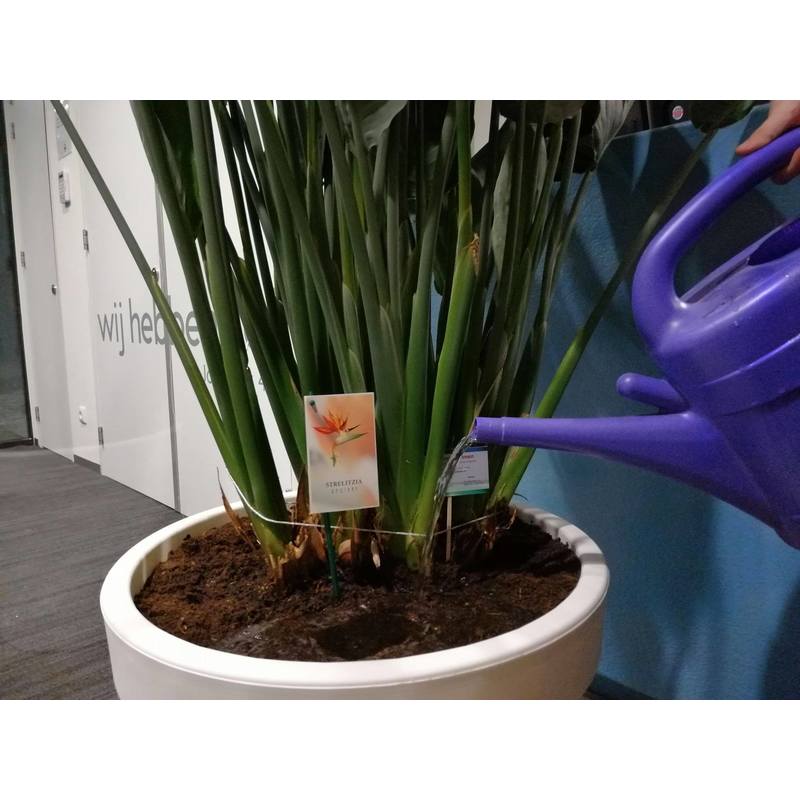
Overwatering is the biggest cause of death for houseplants. When a houseplant gets too much water, the roots suffocate and can hardly absorb any nutrients. It is therefore advisable to either let the plant drain the water, e.g. through a leaking pot to a lower pot, or simply pay close attention to the amount of water poured.
Factors of the required quantity
In order to determine how much water a plant needs, we need to look at various properties of the plant. It varies quite a bit in the differences of these properties. In order to determine the amount, we look at the following points:
The size of the plant, size of the pot, type of soil, location, season and temperature.
The size of the plant
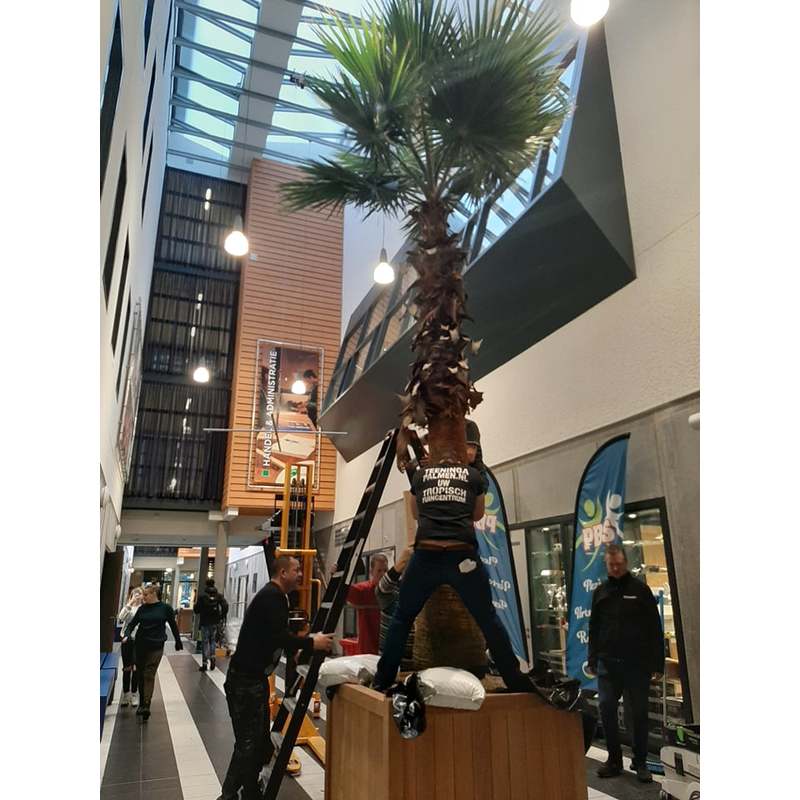
Your plant has a certain size, both in terms of branching and leaves. The larger the plant, the more water it uses. It also varies a lot based on the leaf surface, because evaporation takes place on the leaf surface.
The size of the pot
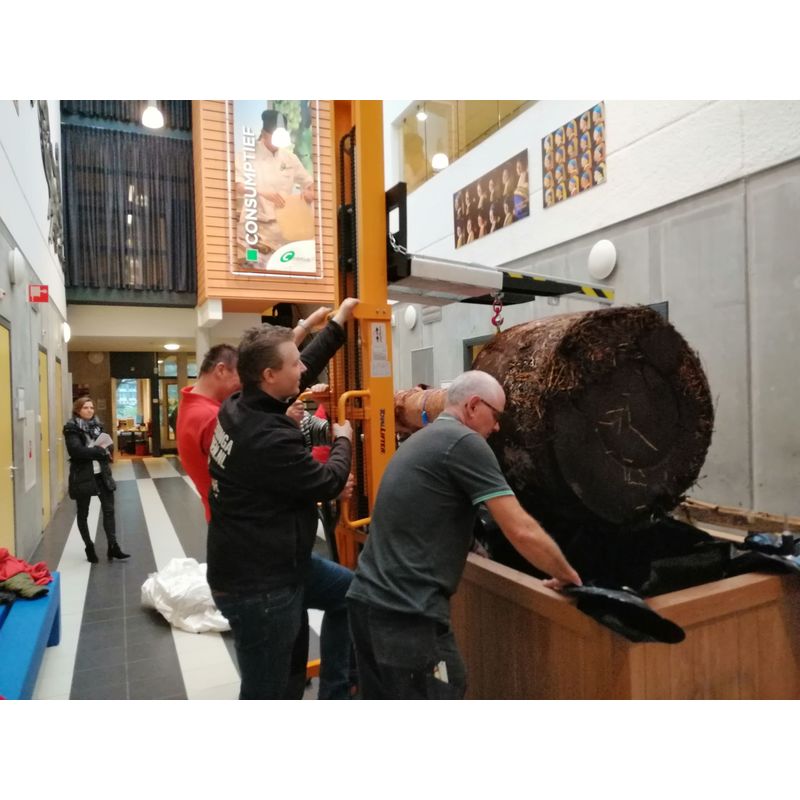
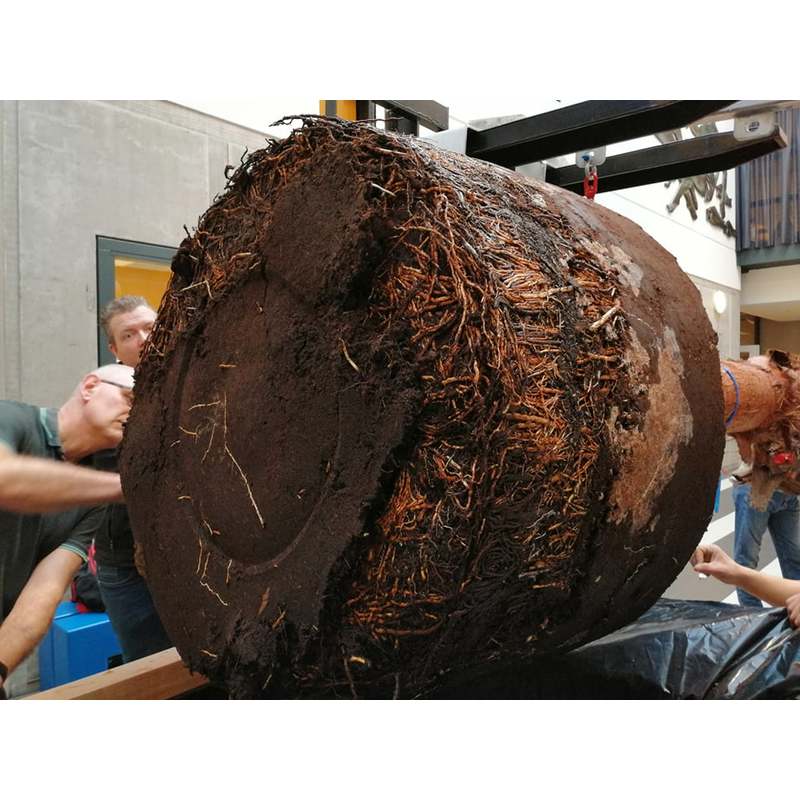
The size of the pot, the height and the width, determine how much soil there is around the roots. Soil absorbs water, and the more soil, the more water can be absorbed. So also determine the amount of water based on the pot size. However, the rooting of the plant also matters. The more the plant is rooted, the less soil there is around the roots, the less water can be absorbed.
The type of soil / potting soil
Different types of soil have different capacities to absorb water and to let water pass downwards. An example of soil that absorbs a lot of water and releases it slowly is Vulcastrat.
Location
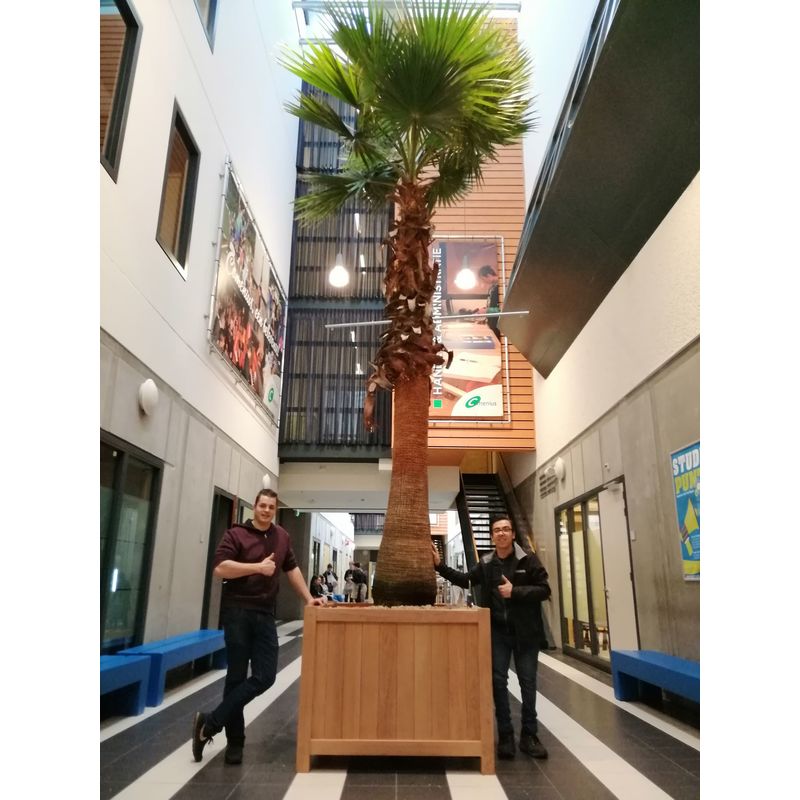
The water consumption of a plant also depends strongly on the location of the plant. A lot of light causes more water consumption and evaporation, so more water is needed. A higher ambient temperature also causes this. Or if a plant is in a draft, more is also consumed.
Season
The seasons also affect the water consumption of a plant. In the winter, many plants are in a kind of dormant state, which means they simply consume less and grow less. Also due to the lower ambient temperature and less sunlight, a plant consumes less water. In the summer, on the other hand, in a warm place, a plant can consume a lot of water again.
Heating and Air Conditioning
Heaters and air conditioning affect the humidity of a room. A plant in a dry room will use more water.
Determining the amount of water
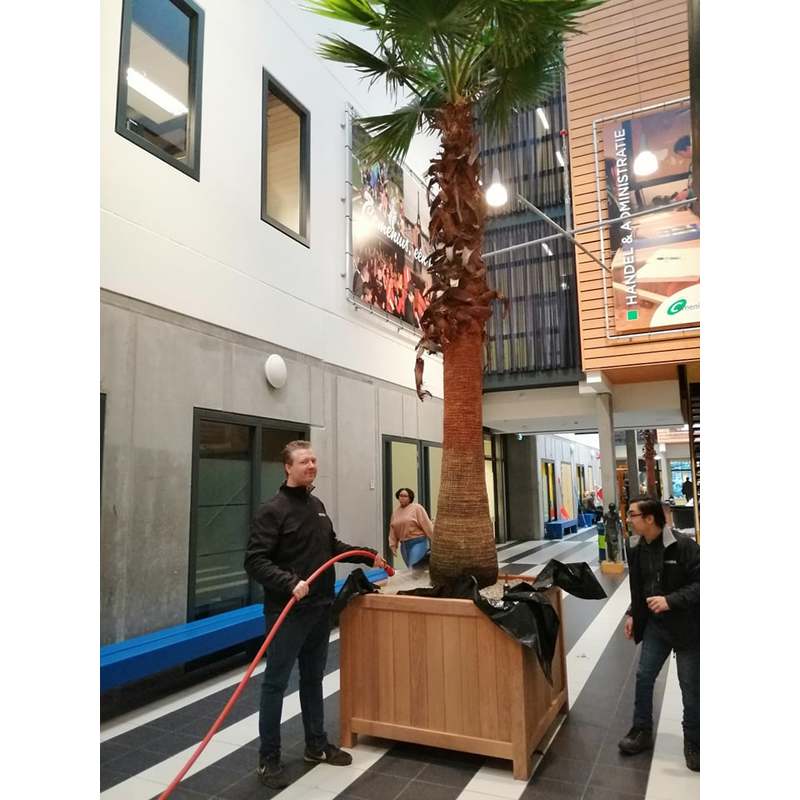
You can determine how much moisture your plant needs based on the above factors and by feeling with your finger how moist the soil already is.
Does the soil feel dry? Is the surface becoming lighter in colour? Then give the plant plenty of water.
Does the soil feel slightly moist? Does some soil stick to your finger? Then give it an average amount of water.
Does the soil feel moist? Then give little to no water.
Does the soil feel very wet? Drain the soil using holes in the bottom and a collecting tray. You run the risk of the roots suffocating and rotting.
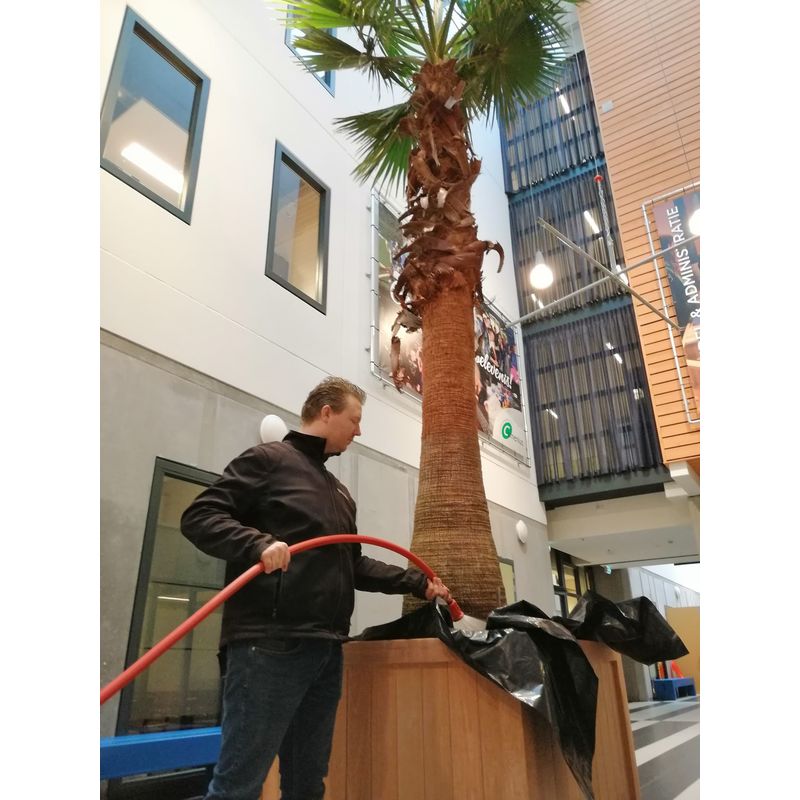
How often should the plant be watered?
There are different types of plants with different types of water needs. First, determine which category your plant falls into.
Always moist - Does your plant need to be moist at all times? In warm environments, water it every day and in colder environments or during the winter season, water it once every 3 days.
Occasionally dry - Certain plants, such as yuccas and agaves need to be dry occasionally, they also use less water. Only water when the soil has been dry for 3 days.
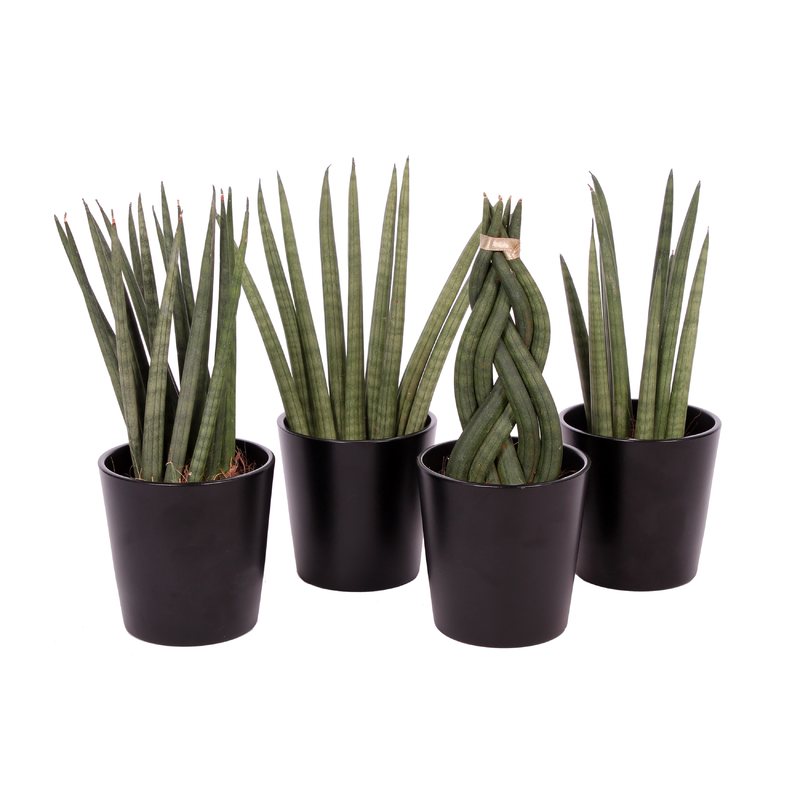
Mostly dry - Other plants, such as Sansevierias, Cacti should be kept dry most of the time. They use very little water, and can weaken if watered too often. In summer the soil should be dry for 3 days, and in winter for 3 weeks.
Applying Hydroponics
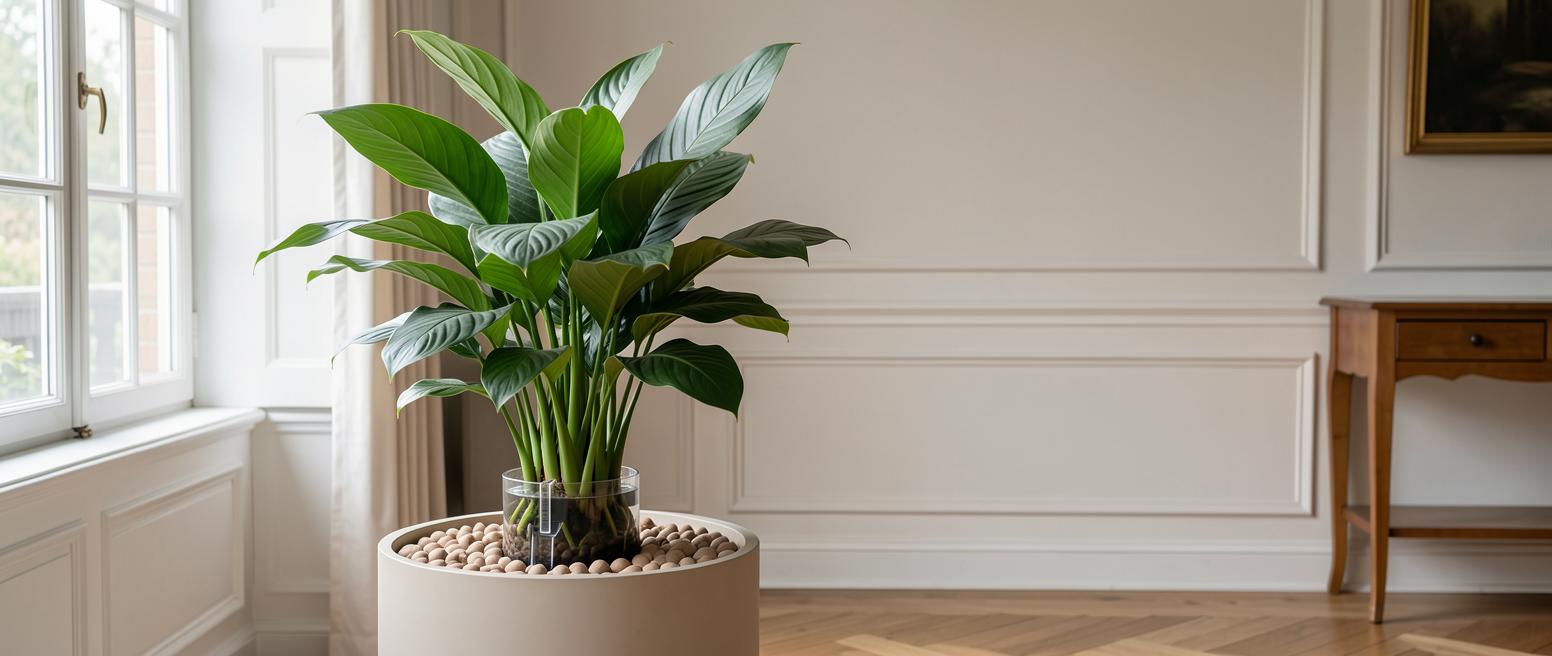
Hydroponics is a system that makes watering easier. It involves placing a water meter in the plant combined with moisture-retaining soil filling, such as Vulcastrat. The meter indicates when the plant needs water again, and when you water it, it indicates when you have given enough. This system is therefore ideal for making watering easy. Therefore, take a look at our range of water meters!
Share:
Diseases, symptoms and pests in your plants