

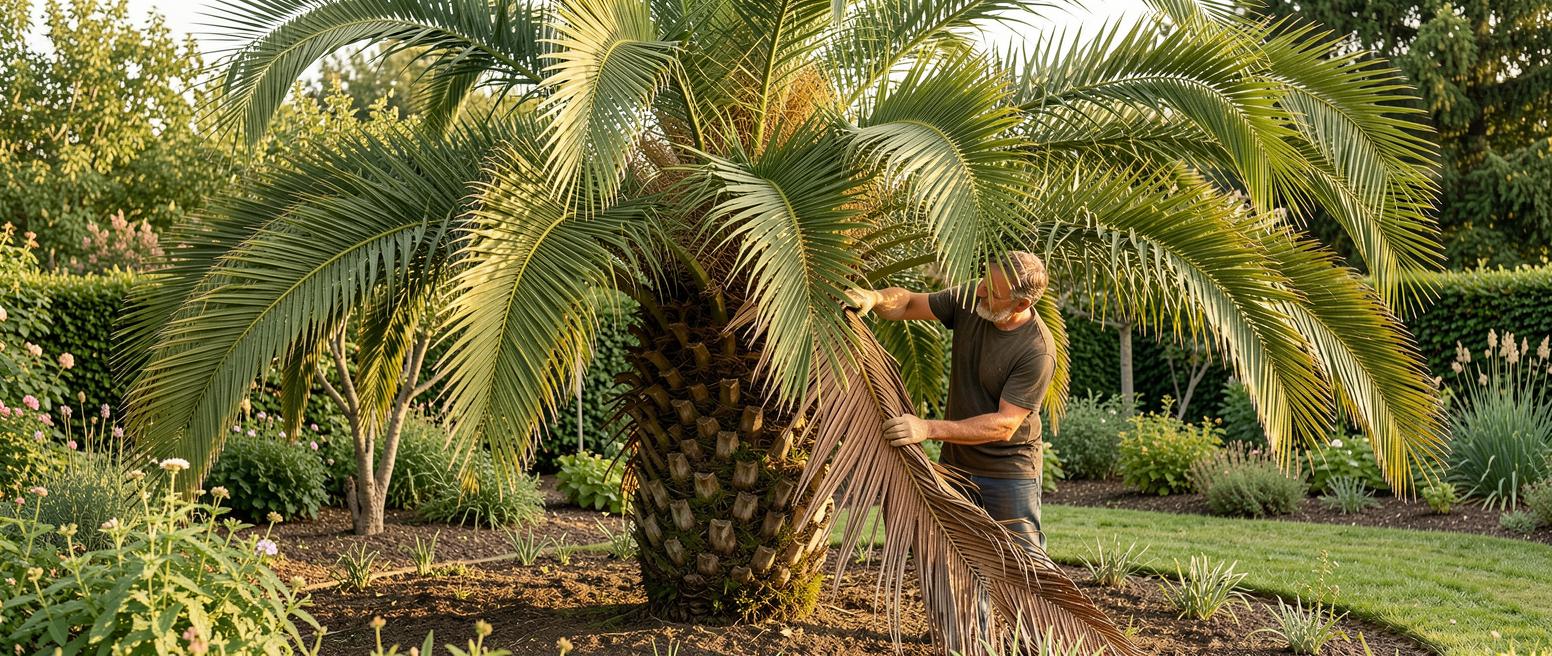
Pruning promotes growth. Removing old or damaged leaves allows the plant to redirect energy to new shoots. For a palm, this noticeably increases growth speed.
Pruning in brief
Pruning feels counter-intuitive to many people: you are removing something from a plant you want to see grow bigger. Yet, it is one of the few interventions with which you directly steer growth. In this guide, you will learn when to prune, with what tools, and what to avoid with palms and ferns.
Why pruning works

A plant distributes light and nutrients to everything it keeps alive. Every old, yellow, or damaged leaf continues to count, while it itself barely gives anything back.
If you remove those parts, that energy becomes available for the growth point and new shoots. The effect is visible within one season for fast-growing plants.
- More energy for the rest: what you prune no longer requires maintenance, so nutrients go to healthy parts.
- New shoots get space: precisely these fresh shoots ultimately become the most beautiful part of the plant.
- Shape and size remain under control: keeping compact or shaping can only be done with shears.
- More branching: for many species, pruning leads to additional side shoots, and thus to more ornamental value or fruits.
- Faster growth: by removing old or diseased parts, the plant progresses faster. Growers use this principle as standard practice.
When to prune
The right moment varies by species. The general rule is simple: prune when the plant is growing, not when it is resting. If you are unsure about a specific plant, consult our Plant Encyclopedia.
What to do when
Best period for garden plants. The plant recovers throughout the summer.
Correct shape and remove worn leaves from houseplants and Mediterranean plants.
Houseplants can still be pruned. For garden plants, it's better not to start too late.
Rest period. Pruning inhibits growth and the cut surface barely recovers.
Pruning houseplants
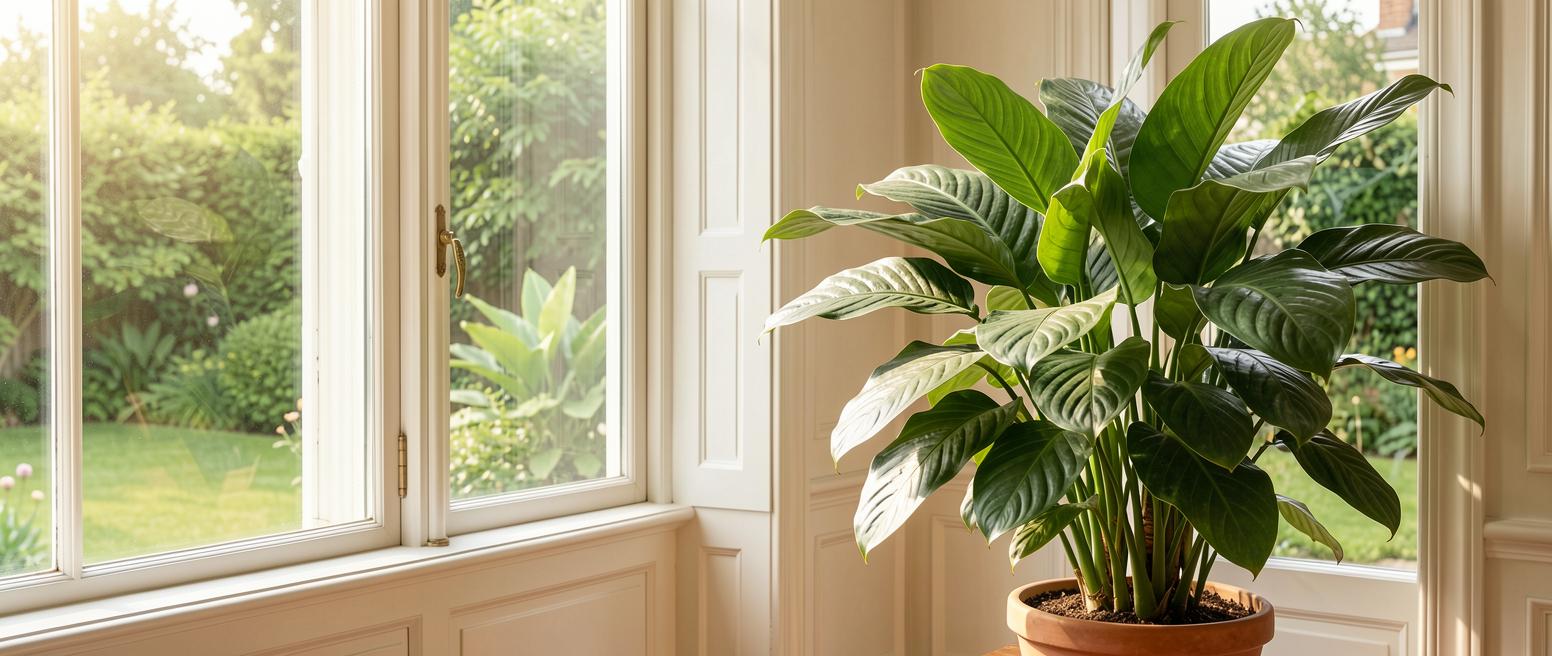
For houseplants, prune in spring, summer, and autumn. Pruning in the winter months is not recommended: the plant is then in its rest period, and the intervention hinders growth rather than helping it.
Pruning garden plants
It's best to prune garden plants early in spring, giving the plant the summer months to recover. Some garden plants, like trees, can be pruned almost year-round. Even then, allow the plant more rest in winter.
Palms, cycads, and ferns

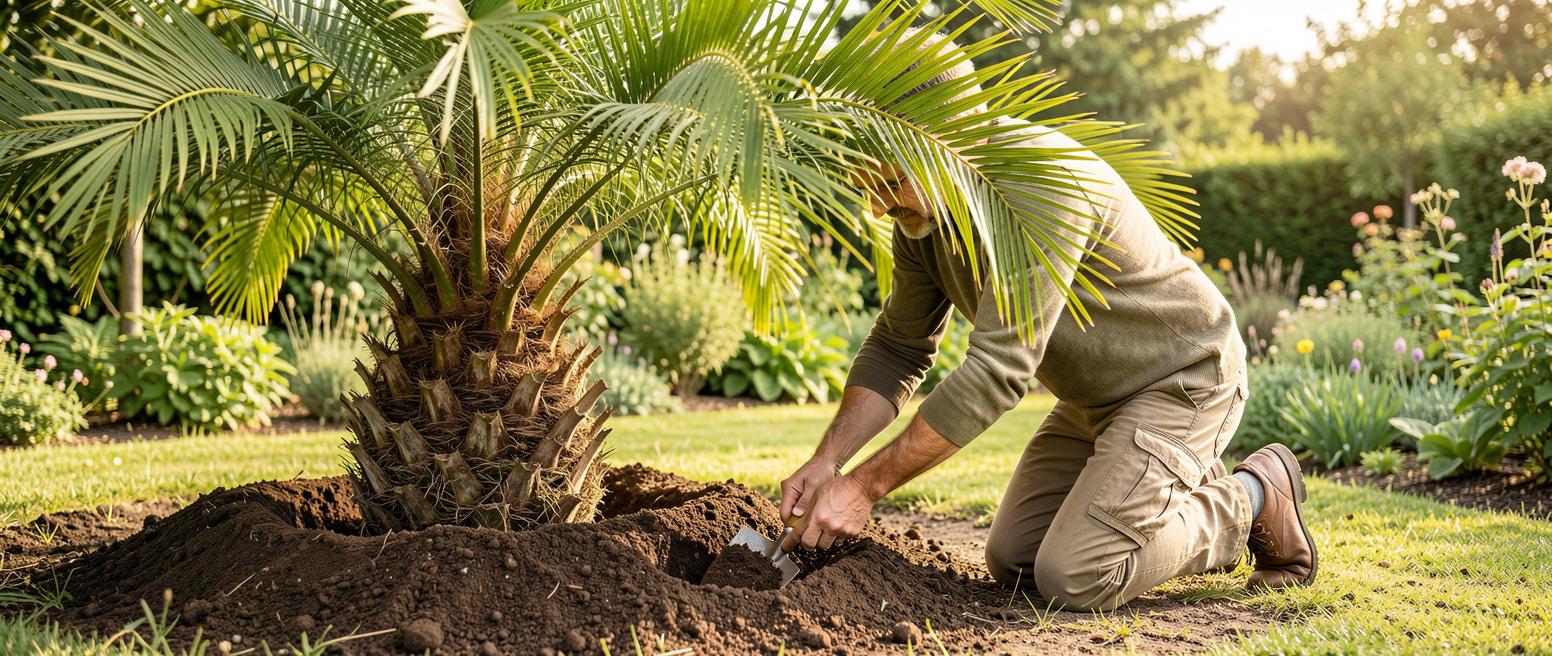
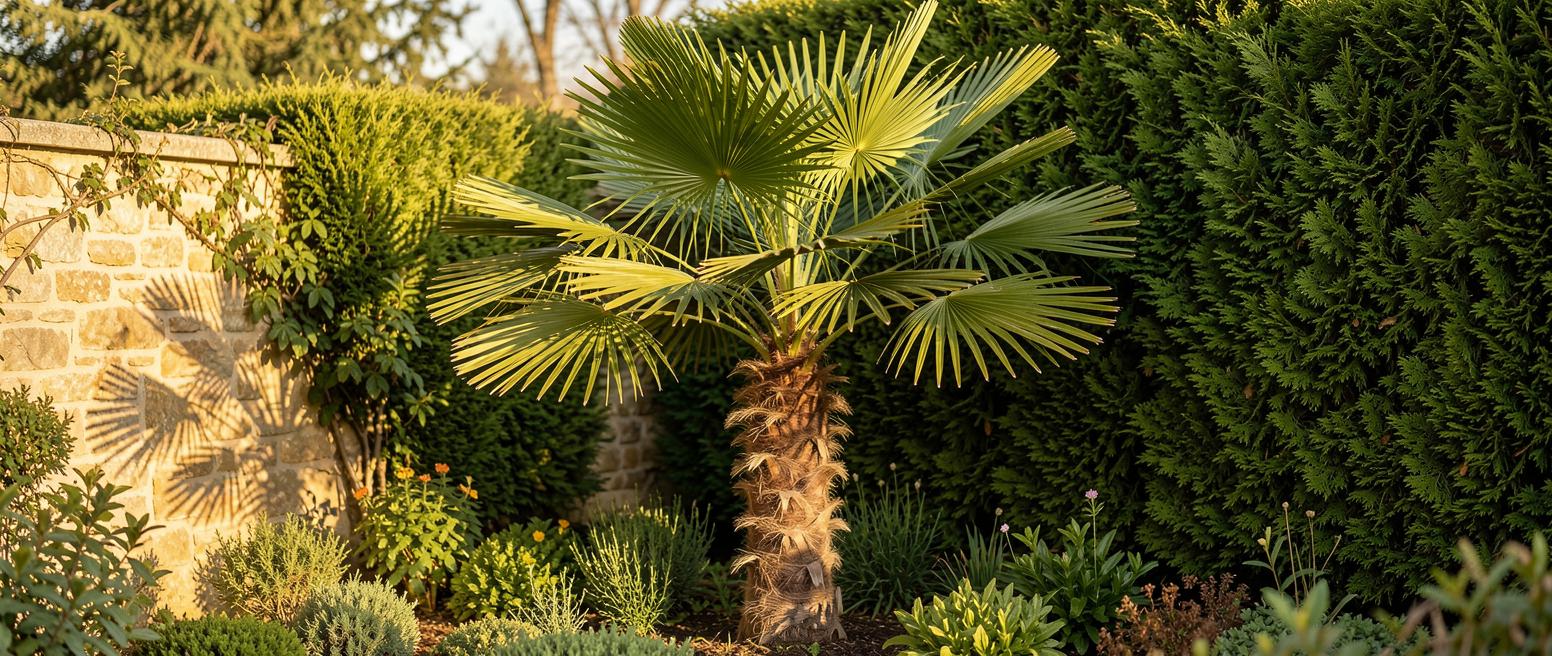
With palms, the effect is most clearly visible. As long as old lower leaves remain, the plant continues to invest energy in them. If you cut them away, all attention goes to making new leaves. Prune in spring and summer; not in winter, as this can cause damage.
Stay away from the core. All new leaves emerge from that single growth point at the top of the trunk. If you cut into it, you will damage the fresh leaves that still need to unfurl, and sometimes the entire plant.
Good tools are half the battle
A dull or dirty pair of shears crushes the stem instead of cutting it. Such a ragged cut surface closes poorly and is an open door for fungi.
That is why we supply pruning shears that are also used by florists: sharp enough to cut through in one motion, without damaging the plant.

Clean the cutting surface before moving to the next plant. This way, you don't transfer diseases from one plant to another.
Common mistakes
Too much at once
Do not remove more than about a third of the leaves at once. The plant needs leaves to generate the energy it uses to recover.
Too late in the year
Pruning just before or during the dormant period results in wounds that barely close. It is better to wait until spring.
Cutting off healthy leaves
Pruning is not tidying up. Leaves that are still green and firm should be left on; they are still actively contributing.
Cut off too much? Most plants recover well, provided the growth point is intact. Provide water, nutrients, and especially time.
Unsure about your plant?
Send us a photo of the leaf or stem and we will take a look with you. Pruning shears, potting soil, and Palm Focus can be found in our webshop.
Ask your question
Share:
Applying hydroponics to your plants
Propagating a plant